Futures Trading: A Comprehensive Guide for Beginners
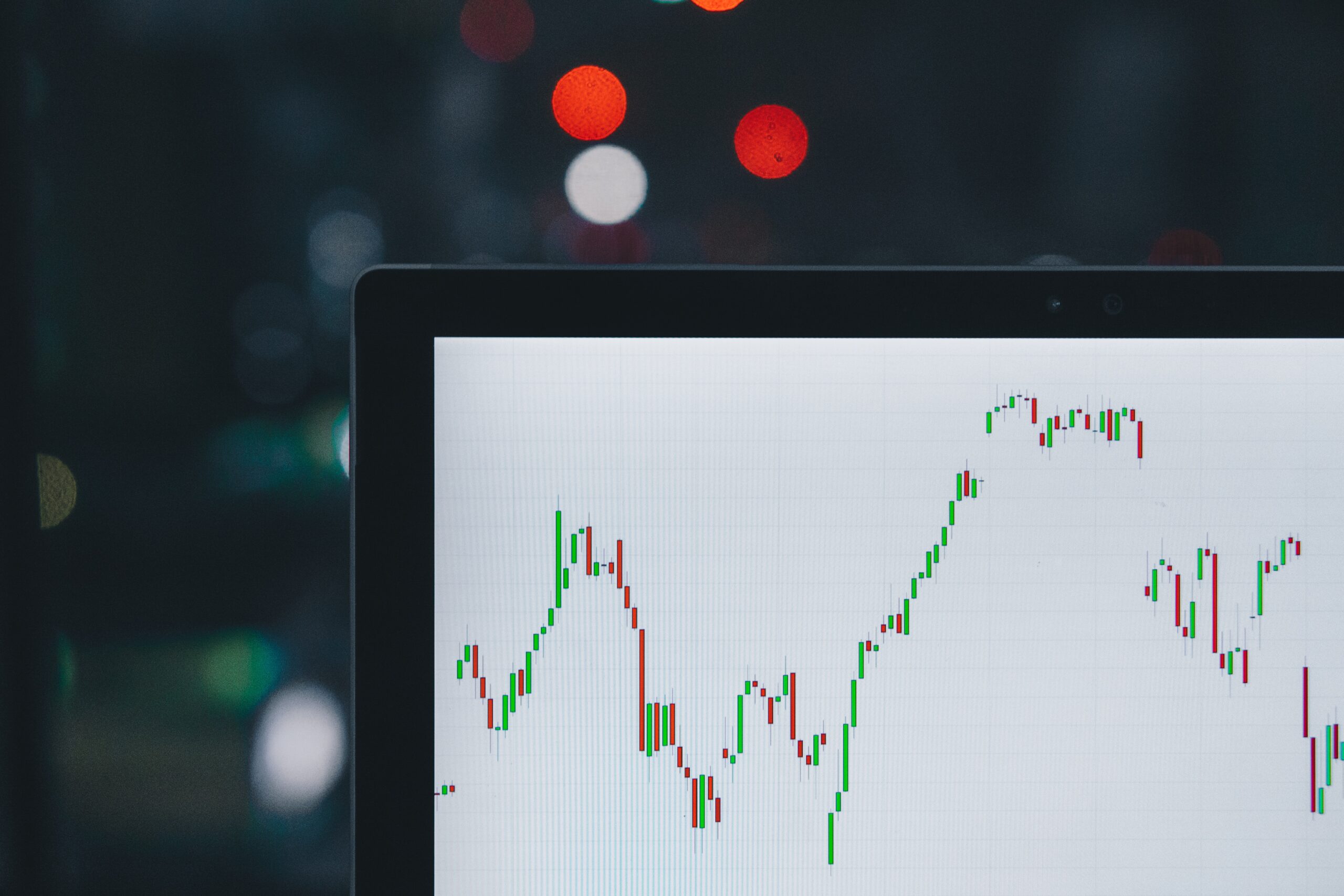
Table of Contents
- Introduction
- What are Futures? An Overview
- Understanding Futures Contracts
- The Purpose and Benefits of Futures Contracts
- Futures Trading: The Pros and Cons
- The Benefits of Futures Trading
- The Risks and Challenges of Futures Trading
- A Beginner’s Guide to Futures Trading
- Starting with the Basics
- Choosing the Right Futures for Trading
- Developing a Trading Strategy
- Trading Supply and Demand with Futures
- The Concept of Supply and Demand Levels
- How to Identify Supply and Demand Levels in Trading
- Using Supply and Demand Levels for Futures Trading
- The Role of Futures in Portfolio Diversification
- Regulation and Compliance in Futures Trading
- Understanding US Tax Implications: Futures Vs Stocks
- Getting Connected: Your Next Steps in Futures Trading
- FAQs
- Conclusion
Introduction
Think about standing on the edge of an exhilarating cliff, the wind rushing past, the thrill of adventure coursing through your veins. Exciting, isn’t it? Now, imagine that cliff is the world of futures trading. Looks a bit daunting now, right? But what if I told you that with the right knowledge and a bit of courage, you could learn to make that jump?
That’s where this guide comes in. It’ll give you the ropes (and hopefully a safety harness!) to navigate through the fascinating world of futures trading. From understanding the basics, and weighing the pros and cons, to diving into the supply and demand levels of trading, we’ve got you covered. Ready to take the plunge? Let’s get started!
Now, let me ask you a question: What are futures? It might sound like a simple question, but in trading, futures are a completely different beast. But worry not! We’re going to dissect this beast and see how it works. So buckle up, and let’s jump right into the thick of it in our next section.
What are Futures? An Overview
Got your trading gear on? Perfect! Now, before we step into the nitty-gritty, let’s first tackle the question that’s probably been buzzing in your mind: “What are futures, anyway?”
Understanding Futures Contracts
Imagine you’re a farmer. You’ve got a bumper crop of apples ready to be sold in a couple of months. But there’s a problem — what if apple prices take a nosedive by then? That’s where futures contracts come into play.
In the trading world, a futures contract is an agreement to buy or sell something — like our apples — at a predetermined price at a specific future date. It’s a bit like booking a hotel room in advance for your holiday. You agree on the price now, but the actual exchange happens later. Pretty straightforward, right? But why would traders use futures contracts, you might ask. Let’s find out.
The Purpose and Benefits of Futures Contracts
Futures contracts have two primary purposes: hedging and speculation. Now, you might be wondering, “What’s the difference?” Think of hedging as an insurance policy. It’s a way for businesses (like our apple farmer) to protect themselves from price movements.
On the other hand, speculation is where things get a little spicy. It’s a high-stakes game where traders try to make profits from price changes. Risky? Absolutely. Profitable? It can be. But like any good game, it has its rules and strategies, which we’ll dive into later in this guide.
Now, you’ve probably heard a lot about the potential profits in futures trading. But is it all just a bed of roses? Not quite. Let’s shed some light on the pros and cons of futures trading in our next section.
Futures Trading: The Pros and Cons
So, futures trading can be profitable. You’ve got that. But, as the wise folks say, “there’s no such thing as a free lunch”. Before you hop onto the futures trading bandwagon, let’s take a moment to consider both the shiny and not-so-shiny aspects of this venture. After all, wouldn’t you prefer to know the lay of the land before you set out on a journey?
The Benefits of Futures Trading
So, what’s the good news? Well, futures trading is like a 24-hour supermarket, always open for business. You can trade almost anytime, which provides flexibility and the potential to profit around the clock.
What’s more, futures offer a high degree of leverage. This means you can control a large amount of a commodity or asset for a relatively small amount of capital. Sounds too good to be true? It’s not! But remember, with great power comes great responsibility, or in this case, risk.
The Risks and Challenges of Futures Trading
And now, for the flip side of the coin. Yes, futures trading can be rewarding, but it’s also fraught with risk. And if there’s one thing you should never ignore in the trading world, it’s risk.
Remember that leverage we spoke about? While it can amplify your profits, it can also magnify your losses. If the market moves against you, you could lose more than your initial investment. Talk about a high-stakes game, huh?
Moreover, the futures market can be highly volatile, and price fluctuations can occur rapidly. This means you need to monitor your positions closely, which can be time-consuming and stressful. So, while the potential for quick profits might be attractive, it’s crucial to be aware of the challenges and risks involved.
We’ve covered quite a bit so far. Now you have a good understanding of what futures are and the pros and cons of futures trading. You’re doing great! Next, we’ll take a closer look at the ins and outs of futures trading in our beginner’s guide. Ready to dive in?
A Beginner’s Guide to Futures Trading
Are you ready to begin your journey into the world of futures trading? Excellent! Like learning to ride a bike or bake a cake, the first step is understanding the basics. Once you’ve got those down, the rest will follow. Let’s get rolling!
Starting with the Basics
First off, let’s remember that futures trading isn’t for the faint-hearted. It’s a bit like white-water rafting; thrilling, but potentially risky. The good news? With the right preparation, you can navigate those rapids!
So, what do you need? First, a good understanding of the market. Research the futures contracts you’re interested in. Understand how prices have moved in the past, and why. This will help you make informed decisions. Secondly, capital. You’ll need enough to cover your initial margin requirement and potential losses.
Finally, and most importantly, a plan. Every seasoned trader knows the importance of a trading plan. It’s your guide, your map. It outlines your goals, risk tolerance, and strategies. So, take the time to create one. Trust me, it’s worth it!
Choosing the Right Futures for Trading
Now that you’ve got the basics down, it’s time to pick your futures. But with a smorgasbord of options available, how do you choose? Well, it’s like picking the right car. It depends on your needs, budget, and comfort level.
Commodity futures like oil, gold, and wheat are popular choices. Financial futures such as those on indices or currencies are another option. Each has its own dynamics and factors that drive prices. So, pick the one that aligns best with your knowledge, interest, and trading plan.
Developing a Trading Strategy
Just like you wouldn’t start a road trip without a route, you shouldn’t start trading without a strategy. Your trading strategy is your GPS in the world of futures trading. It includes your entry and exit points, risk management rules, and criteria for choosing trades.
There are different types of strategies to choose from, such as trend following, range trading, and breakout trading. The best strategy for you will depend on your trading goals, risk tolerance, and time commitment.
Ready to take it a notch higher? Fantastic! Now, let’s dive into the concept of supply and demand levels in futures trading and how to use them to your advantage.
In the next section, we will delve into the heart of market dynamics – supply and demand. We’ll discover how to identify these levels in trading and utilise them for futures trading.
Trading Supply and Demand with Futures
Have you ever wondered what drives the prices of futures contracts? What makes them go up or down? Welcome to the engine room of market prices: supply and demand. Now, if you’re thinking this sounds like an economics lesson, don’t worry. We’ll keep it light, practical, and relevant to futures trading. Ready to decode this fundamental principle? Let’s dive in!
The Concept of Supply and Demand Levels
Supply and demand. Two simple words, but they’re the yin and yang of market prices. The whole idea revolves around a simple principle: if a commodity is in high demand but has limited supply, its price will likely rise. Conversely, if there’s an abundance of a commodity but not enough buyers, the price could drop.
Sounds easy enough, right? But in the trading world, it gets a little more complicated. That’s because you’re dealing not with physical goods but with contracts based on expectations of future supply and demand. Now, wouldn’t it be handy if we could spot these levels on a price chart? Well, you’re in luck!
How to Identify Supply and Demand Levels in Trading
Identifying supply and demand levels in trading is like hunting for treasure. The ‘X’ that marks the spot is typically a price level at which a lot of trading activity has occurred in the past. These levels can often influence future price movements.
Supply levels are often found where prices have stopped rising and turned lower, indicating a surplus of supply over demand. On the flip side, demand levels are often seen where prices have stopped falling and turned higher, indicating a surplus of demand over supply.
Still with me? Great! Now let’s see how we can use these levels in futures trading.
Using Supply and Demand Levels for Futures Trading
Knowing how to read supply and demand levels is one thing, but using them in futures trading is where the rubber meets the road. It’s like knowing how to read a map but then having to navigate an actual journey.
Traders use these levels to identify potential entry and exit points for their trades. For example, if prices approach a demand level, it might be an opportunity to buy, anticipating a rise in prices. Conversely, if prices approach a supply level, it could signal a chance to sell, expecting prices to fall.
Remember, though, while supply and demand levels can be useful, they’re not a crystal ball. They’re just one tool in a trader’s toolbox and should be used in conjunction with other tools and strategies.
There you have it! You now know what futures are, their pros and cons, and how to start trading them. Plus, you’ve unlocked the power of supply and demand levels in futures trading. Not bad, huh?
In the following sections, we’ll further delve into how futures can diversify your portfolio and understand the regulations and compliance related to futures trading.
Futures in Portfolio Diversification
You’ve probably heard the old saying, “Don’t put all your eggs in one basket”. Well, it turns out this nugget of wisdom applies to trading and investing as well! Diversification is a strategy used to spread risk across different types of investments, and futures can play a critical role in that. So, are you ready to explore how futures can add some spice to your investment mix? Let’s dive in!
Why Diversification Matters
Before we delve into futures, let’s understand why diversification matters. Just like you wouldn’t eat only one type of food for all your meals, you wouldn’t want to risk your entire investment on one type of asset. Why? Because diversification can help you minimise risk and potentially enhance returns.
By diversifying your portfolio across different asset classes, sectors, and regions, you can smooth out the ups and downs of the market. And that’s where futures can come in handy.
How Futures Can Diversify Your Portfolio
Futures are like the secret sauce in your investment recipe. They can add a unique flavour, making your portfolio more balanced and resilient. Here’s how:
- Access to Different Markets: Futures contracts cover a wide range of assets, including commodities, currencies, and financial indices. This means you can gain exposure to markets and sectors that might be difficult to access through traditional investment channels.
- Potential for Profit in Different Market Conditions: Futures are versatile; they can potentially profit from both rising and falling markets. This can provide a hedge against adverse market movements and enhance portfolio performance.
- Efficient Use of Capital: Thanks to the leverage futures provide, you can control a large amount of an asset for a small initial capital outlay. This means you can diversify your portfolio without tying up large amounts of capital.
Risk Management in Futures Trading
While futures can help diversify your portfolio, they also come with risks. It’s like driving a high-performance sports car: thrilling, but potentially risky if not handled correctly.
To manage these risks, you’ll need a solid risk management strategy. This includes setting clear trading goals, determining your risk tolerance, using stop-loss orders, and monitoring your positions regularly. And remember, never risk more than you can afford to lose.
Exciting stuff, right? Using futures to diversify your portfolio is like adding a powerful new tool to your trading toolkit. But remember, with power comes responsibility, so ensure you understand and manage the risks involved.
In the next section, we’ll delve into the nitty-gritty of regulations and compliance in futures trading. Ready to dive into this essential aspect of futures trading?
P.S. Don’t forget to join our lively community of traders on Discord and get daily price levels, lessons, and discussions on our YouTube channel. Keep learning, keep growing!
Understanding Regulations and Compliance in Futures Trading
Trading futures can feel a bit like navigating a labyrinth, with numerous rules, regulations, and procedures to follow. But don’t worry, we’re here to guide you through this maze. Understanding these regulations is essential to ensure you’re trading responsibly and legally. So, grab a cuppa, get comfortable, and let’s make sense of this together!
Why Regulations Matter
In the wild west of financial markets, regulations are the sheriffs that maintain law and order. They’re designed to protect investors, maintain fair and orderly markets, and facilitate capital formation. They set the ground rules for what’s acceptable and what’s not in the trading world.
Without regulations, unethical practices could run rampant, putting investors and the broader financial system at risk. So, while they might seem like red tape, they’re essential for the health and integrity of the markets.
Key Regulatory Bodies in Futures Trading
In futures trading, several regulatory bodies set the rules and keep a watchful eye on market participants. Here are the key players:
- The Commodity Futures Trading Commission (CFTC): This US-based agency regulates the futures and options markets.
- The National Futures Association (NFA): This self-regulatory organisation oversees futures trading in the US, offering services that safeguard market integrity.
- Financial Conduct Authority (FCA): For traders in the UK, the FCA is the regulatory watchdog keeping an eye on financial firms providing services to consumers.
While each of these bodies has different specific rules, they all share the common goal of keeping the market fair, transparent, and safe for investors.
Staying Compliant in Futures Trading
So, how do you stay on the right side of the law when trading futures? Well, it’s all about understanding the rules and following them. This means knowing your obligations when it comes to things like reporting, record-keeping, and managing risk.
Also, make sure you’re trading through a regulated broker. These brokers must adhere to strict regulatory standards, providing an extra layer of protection for you as a trader.
Lastly, keep learning. Regulations can and do change, and it’s essential to stay up-to-date with the latest rules and guidelines.
And that’s a wrap on regulations and compliance in futures trading! Remember, the goal is not to intimidate or restrict you, but to create a fair and safe trading environment. So, as you delve into futures trading, embrace regulations as your trusty guides rather than obstacles.
Ready to move on to the next section? We’ll be looking at how to choose a futures broker. As always, remember to join our Discord community and check out our YouTube channel for more resources and discussions on futures trading. Let’s keep learning together!
Understanding US Tax Implications: Futures Vs Stocks
Trading isn’t just about buying low and selling high—it’s also about understanding the tax implications of your actions. And believe it or not, the type of instruments you trade can have a significant impact on your tax bill. So, let’s unravel the tax mystery surrounding futures and stocks in the US!
US Tax Laws: The Basics
In Uncle Sam’s land, all income, including profits from trading, is subject to tax. But not all trading income is taxed equally. The taxman distinguishes between short-term and long-term capital gains, with short-term gains taxed at your ordinary income rate, and long-term gains (for assets held for over a year) taxed at a lower rate.
But here’s the kicker: futures and stocks aren’t subject to the same tax rules.
Taxation of Futures
In the US, futures contracts fall under Section 1256 of the Internal Revenue Code. This section provides a favourable tax treatment to futures traders. Here’s how it works:
- 60/40 Rule: Any gains or losses from trading futures are treated as 60% long-term and 40% short-term, regardless of how long the contract was held. This blend can result in a lower tax liability compared to short-term trading in stocks.
- Mark-to-Market Accounting: At the end of the year, your futures positions are ‘marked to market’. This means they’re treated as if they were sold and repurchased at the year-end price, and you’ll pay tax on any gains, or claim a deduction on any losses, even if you’re still holding the contract.
Taxation of Stocks
Stocks, on the other hand, fall under the rules for capital gains. This means:
- Short-Term vs Long-Term: If you sell a stock within a year of buying it, any gain is considered short-term and is taxed at your ordinary income tax rate. If you hold the stock for more than a year, any gain is considered long-term and is taxed at a lower rate.
- Wash Sale Rule: If you sell a stock at a loss and then repurchase the same or a substantially similar stock within 30 days, you can’t deduct the loss from your taxable income. This is known as the wash sale rule, and it’s a potential pitfall for active traders.
In conclusion, the favourable 60/40 rule and the mark-to-market accounting method can make futures trading a tax-efficient option for active traders. But remember, everyone’s tax situation is unique. So, it’s crucial to seek advice from a tax professional to understand the tax implications fully.
In the next section, we’ll delve into how to choose a futures broker. But before we go, don’t forget to join our Discord community and subscribe to our YouTube channel for more discussions and insights into futures trading. Together, we’re better!
Getting Connected: Your Next Steps in Futures Trading
By now, you’re probably brimming with questions and ideas, eager to dive into the fascinating world of futures trading. And we’re just as excited to help you on this journey. But remember, even the best lone wolves join a pack!
That’s why we’ve got just the thing for you: our Discord trading room. It’s a bustling community of traders where you can discuss, learn, and grow your trading skills. And guess what? We’ve got an exclusive focus on trading supply and demand with futures. So, if you’re all set to take your learning to the next level, this is the place to be. What are you waiting for? Join us on Discord now!
Learning with Visuals: Your Guide on YouTube
And if you’re someone who loves to learn visually, we’ve got you covered too! We’re delighted to share our YouTube channel, filled with daily price levels, trading lessons, and in-depth discussions on trading supply and demand.
Subscribing to the channel means you’ll have a treasure trove of learning materials at your fingertips. Ready to turn your YouTube time into a learning adventure? Subscribe to our YouTube channel today!
There you go! By joining our Discord trading room and subscribing to our YouTube channel, you’re not just learning; you’re becoming part of a community. It’s a thrilling journey, and we can’t wait to embark on it with you!
Frequently Asked Questions (FAQs) about Futures Trading
1. What are futures contracts?
Futures contracts are legal agreements to buy or sell a particular commodity or asset at a predetermined price at a specified time in the future. They’re used by investors for speculation and hedging purposes.
2. What is the difference between futures and options?
While both futures and options are financial derivatives, there are some key differences. A futures contract obligates the buyer to purchase, and the seller to sell, the underlying asset at a future date. On the other hand, an option gives the buyer the right, but not the obligation, to buy or sell the underlying asset.
3. What is leverage in futures trading?
Leverage in futures trading refers to the ability to control a large amount of the underlying asset with a relatively small amount of capital. It’s a double-edged sword; while it can amplify your profits, it can also magnify your losses.
4. What is the role of supply and demand levels in futures trading?
Supply and demand levels in futures trading help determine the price of the underlying asset. When the demand for an asset exceeds its supply, the price tends to rise. Conversely, when the supply of an asset exceeds demand, the price tends to fall.
5. What are the risks associated with futures trading?
Futures trading comes with several risks. These include market risk, as futures prices can be volatile and unpredictable; leverage risk, as the use of leverage can lead to significant losses; and liquidity risk, as some futures contracts may be thinly traded.
6. What are the tax implications of futures trading in the US?
In the US, futures trading is subject to Section 1256 of the Internal Revenue Code, which provides for favourable tax treatment. Under this section, 60% of any gains or losses from futures trading are treated as long-term, while 40% are treated as short-term, regardless of the holding period.
Remember, the world of futures trading is vast and complex. So, keep learning, stay curious, and you’ll be well on your way to becoming a proficient futures trader. And don’t forget, our Discord community and YouTube channel are excellent resources to help you on your journey!
Conclusion
Whew, that’s been quite the journey, hasn’t it? We’ve covered the ins and outs of futures trading, from the basic concepts and jargon to strategies, risks, and tax implications. But remember, this is just the beginning. The world of futures trading is vast and complex, but oh so rewarding for those willing to dive in and explore.
Futures trading can be an effective way to diversify your trading portfolio, hedge against price movements, and potentially profit from speculation. But it’s not without risks. To trade futures successfully, you need to understand how supply and demand influence prices, the impact of leverage, and the regulations and tax implications involved. It’s not easy, but don’t be discouraged—every pro was once a beginner.
Remember to keep learning, stay curious, and never stop asking questions. In futures trading, knowledge truly is power.
Trading supply and demand with futures can be a valuable strategy for the discerning trader. By understanding how supply and demand levels influence price movements, you can anticipate potential trading opportunities and make more informed decisions.
So, what’s next?
Well, we’d love to have you join our Discord community where traders of all levels share insights, ask questions, and learn from each other. We also regularly post educational content and trading insights on our YouTube channel—so don’t forget to subscribe and turn on notifications so you don’t miss out!
Ready to embark on your futures trading journey? We’re excited to see where it takes you. Remember, in trading, as in life, the journey is just as important as the destination. Here’s to a rewarding journey ahead!
Phew, there you have it. The ins and outs of futures trading. If you’ve found this guide helpful, don’t forget to share it with others who might benefit as well. Happy trading!
This guide has given you the fundamental knowledge of futures trading and how supply and demand work in the market. But remember, this is just the beginning. There’s so much more to learn and explore. Happy trading, folks!
Stay in the loop.
Get trading lessons and updates in your inbox, or join the conversation on Discord.