Best Trading Setups for New Traders
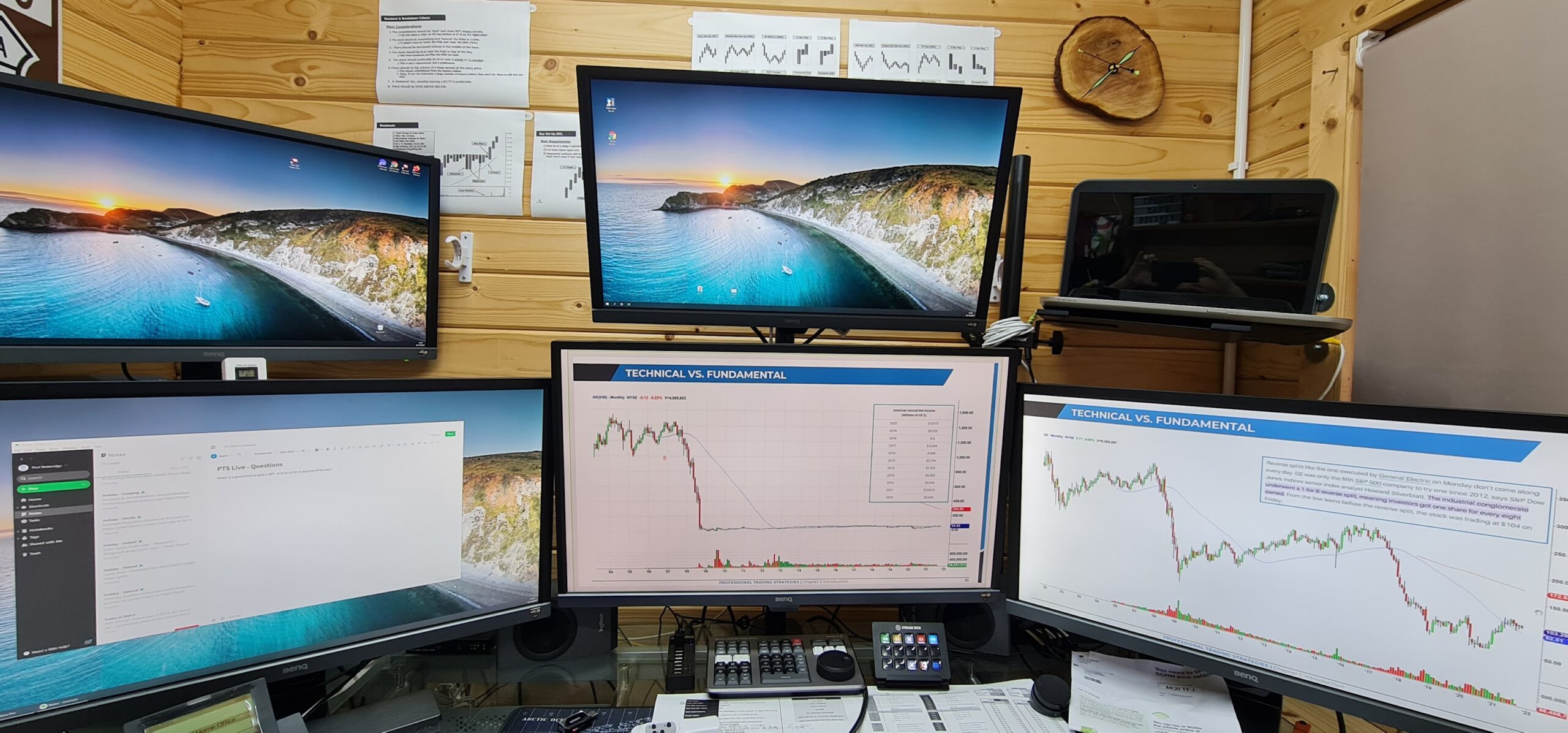
New traders often face a unique challenge when trying to find successful trading setups. There are many different factors to consider and it can be difficult to know where to start. In this blog post, we will discuss some of the best trading setups for new traders. We will cover a variety of different scenarios and discuss how to approach each one. By the end of this post, you should have a better understanding of how to find and trade successful setups.
There are many trading setups that new traders can use to get started in the market. Some of the most popular setups include the following:
The Pin Bar Setup
The pin bar setup is a very popular and reliable trading setup. It is based on a candlestick chart pattern that can be used to signal a potential reversal in the market.
The Setup:
The pin bar setup can be used on any time frame, but it is most commonly used on the daily chart.
To identify a pin bar, you will need to look for a candlestick that has a long wick and a small body. The long wick indicates that there was significant selling pressure in the market, while the small body indicates that the buyers were able to push the price back up.
The ideal pin bar will have a long wick and a small body, but it is not always necessary for the wick to be longer than the body.
The Entry:
The best way to enter a pin bar setup is to wait for the candlestick to close. Once the candlestick has closed, you can place a buy order just above the high of the candlestick.
The Stop Loss:
The stop loss for a pin bar setup should be placed just below the low of the candlestick.
The Target:
The target for a pin bar setup can be calculated by taking the distance from the entry price to the stop loss and multiplying it by two. So, if the stop loss is 20 pips below the entry price, the target would be 40 pips above the entry price.
The Double Top or Bottom Setup
The double top or bottom setup is another popular and reliable trading setup. It is based on a chart pattern that can be used to signal a potential reversal in the market.
The Setup:
The double top or bottom setup can be used in any time frame, but it is most commonly used on the daily chart.
To identify a double top or bottom, you will need to look for a chart pattern that consists of two peak (or trough) formations that are roughly equal in height. The second peak (or trough) should be followed by a significant decline (or rally).
The Entry:
The best way to enter a double top or bottom setup is to wait for the price to break below (or above) the neckline. Once the price has broken the neckline, you can place a buy (or sell) order.
The Stop Loss:
The stop loss for a double top or bottom setup should be placed just below (or above) the neckline.
The Target:
The target for a double top or bottom setup can be calculated by taking the distance from the entry price to the stop loss and multiplying it by two. So, if the stop loss is 20 pips below (or above) the entry price, the target would be 40 pips below (or above) the entry price.
The Trend Line Setup
The trend line setup is another popular and reliable trading setup. It is based on a chart pattern that can be used to signal a potential trend change in the market.
The Setup:
The trend line setup can be used in any time frame, but it is most commonly used on the daily chart.
To identify a trend line, you will need to connect two or more lows (or highs) using a straight line. The more lows (or highs) that are connected, the more significant the trend line becomes.
The Entry:
The best way to enter a trend line setup is to wait for the price to break above (or below) the trend line. Once the price has broken the trend line, you can place a buy (or sell) order.
The Stop Loss:
The stop loss for a trend line setup should be placed just below (or above) the trend line.
The Target:
The target for a trend line setup can be calculated by taking the distance from the entry price to the stop loss and multiplying it by two. So, if the stop loss is 20 pips below (or above) the entry price, the target would be 40 pips below (or above) the entry price.
Stay in the loop.
Get trading lessons and updates in your inbox, or join the conversation on Discord.